
424 people
Across three lung-model cohorts
Including an independent evaluation at Tata Memorial Hospital.
Read the evidence summaryA blood biomarker and machine-learning platform built around existing laboratory equipment. Lung first, with a breast programme in development.
A warm welcome to
They join us as investors, backing our work on turning blood biomarkers into actionable cancer intelligence using advanced machine learning.
Read the announcement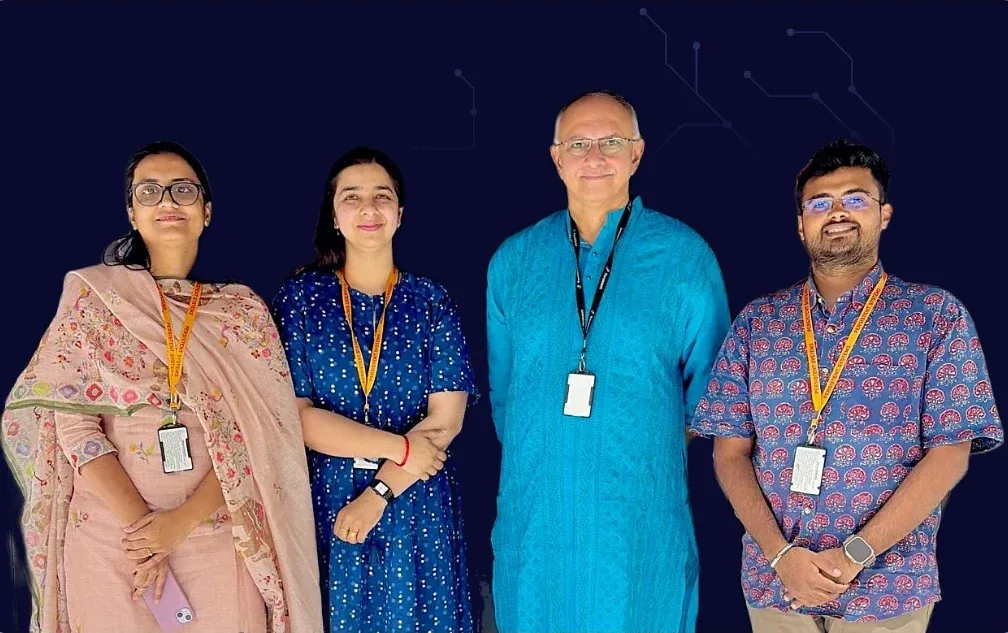
424 people
Including an independent evaluation at Tata Memorial Hospital.
Read the evidence summary3 hospitals
For a VarSee Lung diagnostic accuracy study at Tata Memorial Centre sites.
See the study collaborationsLung → breast
Breast research with Sylvester Comprehensive Cancer Center, University of Miami.
Explore the development programmesEach disease programme develops a panel, a specialist model, and its own evidence. The next step is to evaluate how those programmes work together.
Study its biology, select complementary signals, and build a panel around the people and question it is intended to serve.
Lung cancer comes firstCompare the panel with its individual markers. Study sensitivity and specificity across stages and populations, including independent data.
Measure the contributionBring disease-specific programs into a broader system. Study the combined performance, the false-positive burden, and what happens after a signal is found.
Working toward MCEDOur mixture-of-experts architecture connects specialist models through contextual gating. It gives disease-specific expertise a place in a broader system.
Explore the engineVarSee Lung is available for research use. A breast programme is in development with Sylvester Comprehensive Cancer Center, University of Miami.
Literature curation identifies candidate markers; specialist models interpret their combined pattern. Both are the subject of Indian patent application 202421079476.
Proteins are measured on automated immunoassay analysers, then interpreted by software. Partner laboratories do not need a patient-facing device.

Anand Deshpande and Sonali Anand Deshpande have invested in BioMarkIQ through convertible notes, backing our work on blood biomarkers and machine learning.
Read the announcement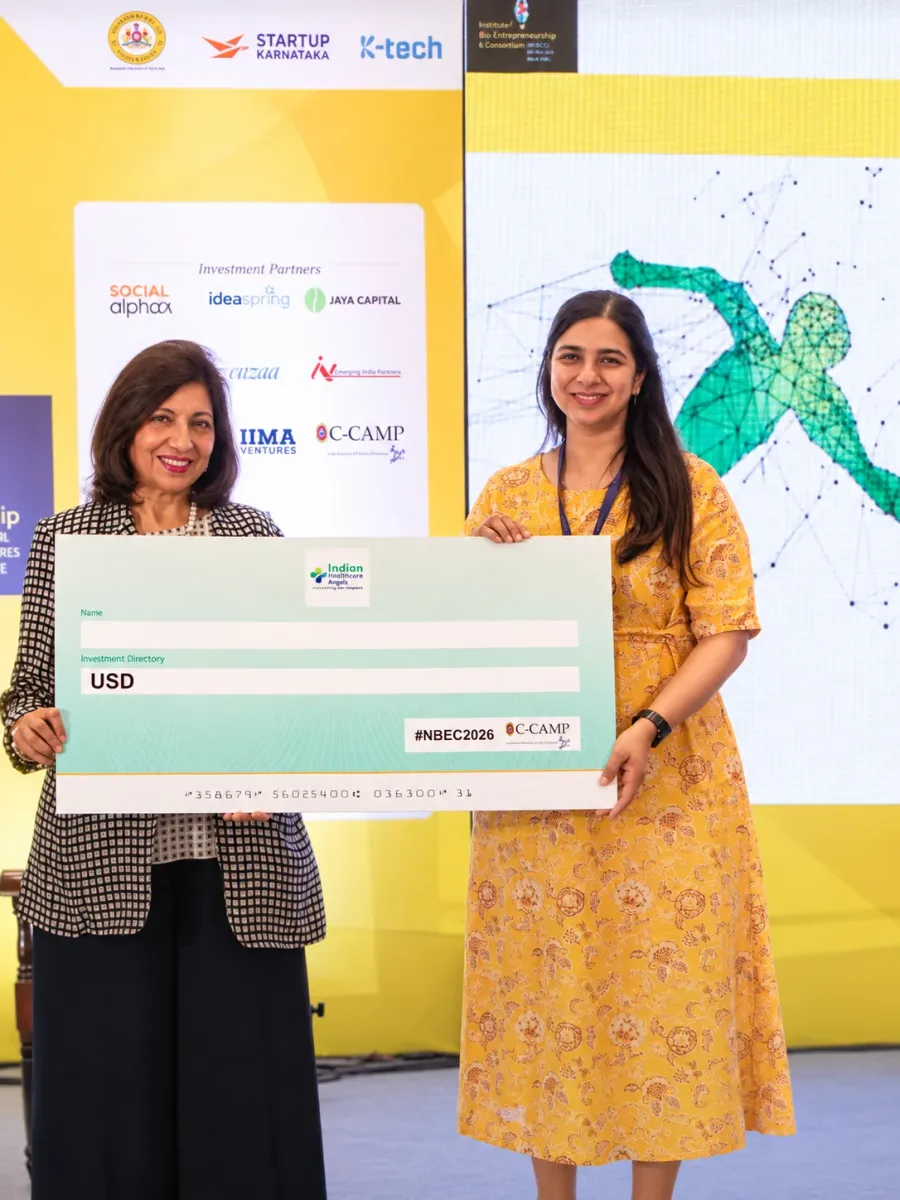
C-CAMP named BioMarkIQ among the winners of an investment opportunity from Indian Healthcare Angels at the National Bio Entrepreneurship Competition.
Read the announcement (opens in a new tab)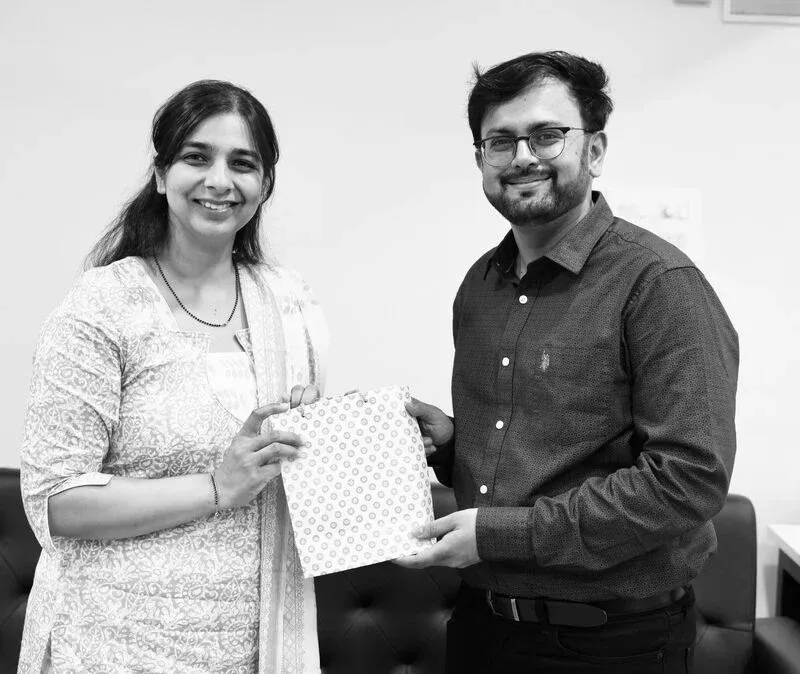
BioMarkIQ announced its CDSCO MD-13 licence to manufacture VarSee Lung for test and evaluation, with work planned in collaboration with Dr Ashish Dhande.
Read the announcement (opens in a new tab)
BioMarkIQ was recognised in the EvolutioNari 2024–25 grant programme from AIC-Pinnacle and HPCL Udgam.
Read the announcement (opens in a new tab)BioMarkIQ at an NSE-stage investor event, the Aegis Graham Bell Awards, and Venture Center.



From a research idea to a growing company. These programmes have supported BioMarkIQ along the way.
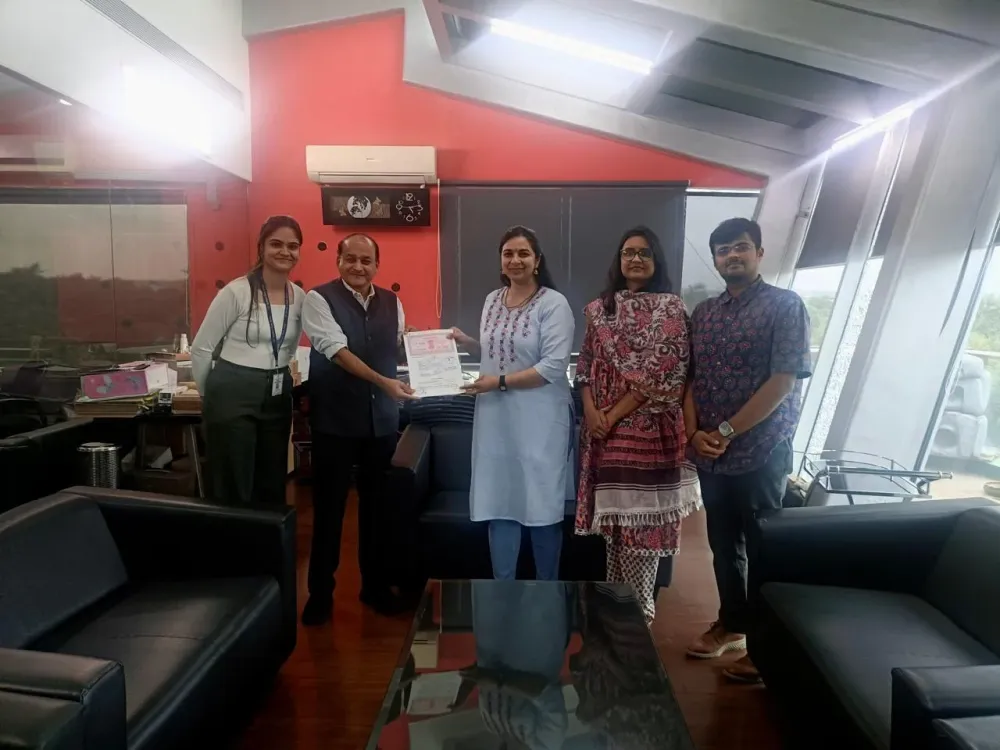

NIDHI PRAYAS supported turning a research idea into a working prototype; the NIDHI Seed Support System backed the early company.
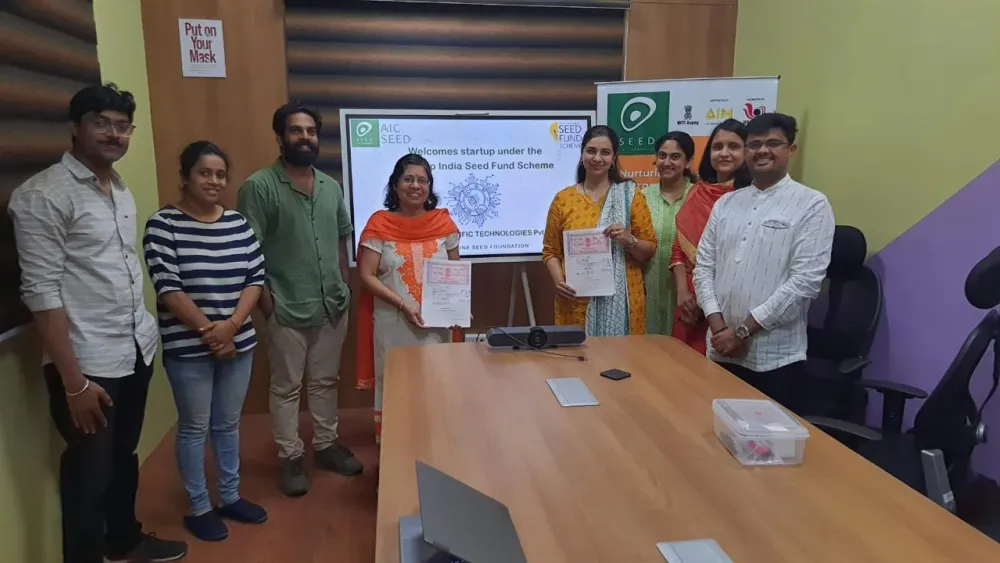

Early backing through both debt and grant funding.
About the programme : Startup India (opens in a new tab)

Support for Advancement in Medical and Applied Research for Transformative Healthcare.
About the programme : BFI-BIOME SAMARTH (opens in a new tab)




The product, the evidence, the laboratory workflow, and how the platform can grow.
Ask us something else ↓A panel of proteins from a single blood draw, quantified on chemiluminescence immunoassay analysers of the kind diagnostic laboratories already run, read together with routine clinical information such as a recent complete blood count. VarSee Lung is the first product, available for research use only.
We considered cells, DNA, and proteins. Early in the disease, tumour cells and tumour DNA are scarce in a blood draw: in one published study, tumour DNA made up less than one fragment in ten thousand in half of the stage I lung cancers analysed. Proteins are read as levels across the whole sample, on automated immunoassays that clinical laboratories already run. Whether a protein panel finds early-stage disease is what our studies are designed to test.
Source: Chabon et al., Nature, 2020 (opens in a new tab) · Why proteins, on our Science page
For the multi-cancer panel we screened about 2.5 million PubMed articles published since 2018. Language models and manual review narrowed them to 38,500, then 18,900, 5,320 and 1,425; 729 studies were curated in depth, and 18 markers were chosen: 17 serum proteins and one ratio from a routine blood count.
Each candidate is scored on early-stage performance, strength of evidence and biology, and checked against independent resources before any patient sample is measured.
Core. No single protein in the panel is specific to one cancer, and several also rise in benign inflammatory, liver and respiratory conditions, so we model the combined pattern rather than rely on one marker’s cut-off.
The result exists only as the output of the model reading the whole pattern. Without it, the laboratory report would be a list of protein values.
Each cancer has its own specialist model, trained on the proteins relevant to that organ, and a healthy-baseline specialist runs alongside them. A gating model weighs all of their outputs together with the person’s clinical data and resolves them into one result.
The architecture, and the literature-curation method that builds each organ panel, are the subject of Indian patent application 202421079476.
Source: Inside the engine
Yes. Per-case attribution shows which proteins moved a result, so a clinician can tell when a signal is being driven by an inflammatory profile rather than a tumour-marker profile and consider a repeat draw before invasive investigation.
When the cancer signal and the tissue-of-origin confidence disagree, the system returns an indeterminate result with a directed next step instead of forcing a call. Every report carries the model version that produced it.
The lung model was developed on a pilot cohort and then evaluated independently at Tata Memorial Hospital against a histopathology reference, with no change to the model or its threshold. The evidence base across three cohorts covers 424 people.
VarSee Lung holds a CDSCO MD-13 licence to manufacture for test and evaluation, and ethics committees at three Tata Memorial Centre hospitals have cleared a multicentre diagnostic accuracy study. We will publish stage-wise results before quoting performance figures publicly.
The literature knowledgebase that produced the lung panel is the input to every organ panel. A breast specialist is in development with the Sylvester Comprehensive Cancer Center, University of Miami, where 254 people have been recruited.
A multi-cancer study is planned at Tata Memorial Hospital and ACTREC across 14 cancer strata, with at least 50 participants per subtype. The model and its cut-off are locked on a training set and judged only on a held-out test set.
Proteins are measured on analysers the partner laboratory already has. Results go to a hosted inference service, which keeps every report traceable to one audited model version. For networks that need data to stay on site, the same locked model can run on premises. There is no patient-facing device.
Inputs a model depends on are never filled in. If one is missing or invalid, the sample is reported as non-reportable rather than scored. Other gaps follow a pre-specified rule, and results are checked with and without it.
VarSee Lung is available for research use only and is not for diagnostic use. It is not currently offered as a routine clinical screening or diagnostic test. Contact BioMarkIQ to discuss research-use access.
Discuss the evidence, laboratory model, and next disease programmes with our founders. Introduce yourself by email or use the form below.
Email the founders