424 people
Across three lung-model cohorts
Including an independent evaluation at Tata Memorial Hospital.
Read the evidence summaryWe bring blood biomarkers and machine learning together to look for cancer earlier. VarSee Lung is our first product, available for research use.
Can I take the test? Ask about availabilityA warm welcome to
They join us as investors, backing our work on turning blood biomarkers into actionable cancer intelligence using advanced machine learning.
Read the announcement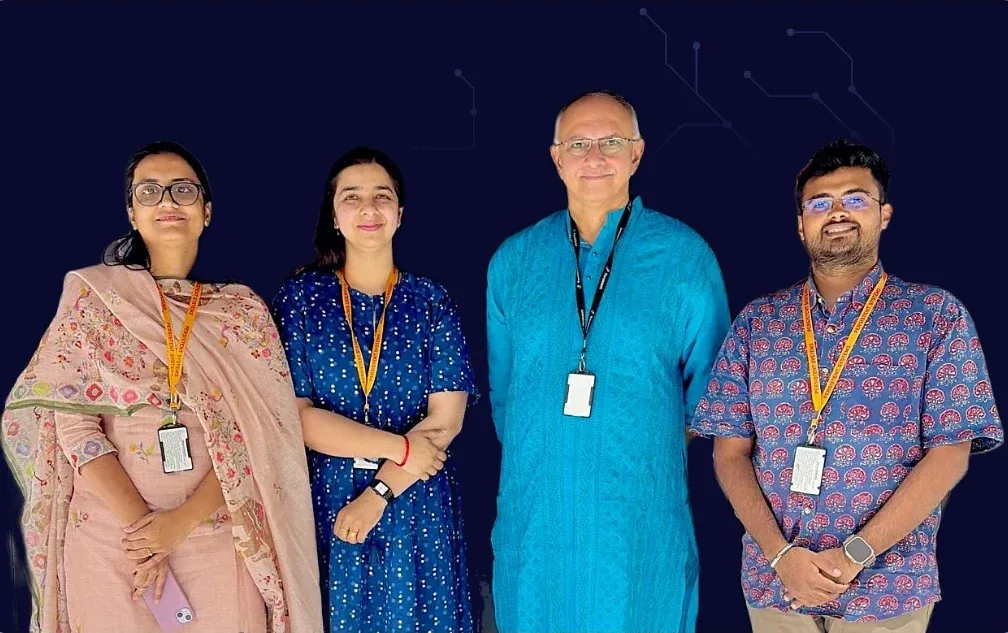








424 people
Including an independent evaluation at Tata Memorial Hospital.
Read the evidence summary3 hospitals
For a VarSee Lung diagnostic accuracy study at Tata Memorial Centre sites.
See the study collaborationsLung → breast
Breast research with Sylvester Comprehensive Cancer Center, University of Miami.
Explore the development programmesBlood carries proteins that change when a cancer starts to grow. One biomarker gives one view of that change.
Start with the biologyCancer leaves more than one kind of clue. A panel measures several biomarkers at once, so the pattern between them can be read.
Explore the panel approachSpecialist models each read the panel for one cancer. A gating model weighs them, with the person’s context, into one result.
Meet the MoE engineSome biomarkers catch more cancers. Others clear more people without cancer. Watch what a second signal reveals in the same group of samples.
Why complementarity mattersOf the people with the condition, how many does the test find? Everyone past the threshold is flagged; squares short of it are missed.
Of the people without the condition, how many does the test correctly clear? Circles past the threshold become false alarms.
A second measurement can pull the groups apart, so fewer are missed and fewer are flagged by mistake. Whether a real panel does this is what validation has to show.
Each specialist model reads the panel for one cancer. A gating layer weighs their answers with the person’s context, so one result reflects the whole pattern.
A panel of proteins is measured from a single sample, alongside routine clinical context: age, sex, smoking and a recent blood count.
Each specialist model is trained on the proteins relevant to one organ, and a healthy-baseline specialist reads what normal looks like. Each returns its own reading.
A gating model weighs every specialist’s reading together with the person’s clinical context, so no single signal decides on its own.
The output is one result with its likely tissue of origin. When the readings disagree, it is indeterminate, with a directed next step instead of a forced call.
Multi-cancer detection is the goal. We get there one cancer at a time, and lung comes first.
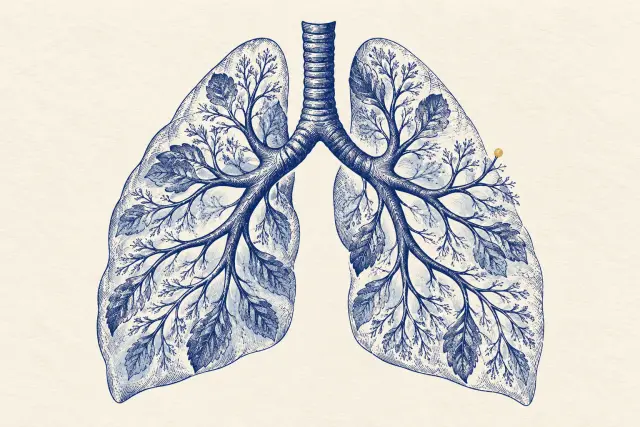
A blood panel and a specialist model built around the biology of lung cancer. A multicentre study has ethics approval at three Tata Memorial Centre hospitals.
For research use onlyExplore VarSee Lung
Life leaves a pattern.
We’re learning to read it earlier.
Our collaborations with Tata Memorial Centre institutions for the VarSee Lung Diagnostic Accuracy Study.
 Tata Memorial Centre(opens in a new tab)
Study ethics clearance announced .
Read the study announcement (LinkedIn, opens in a new tab)Detecting more cancers matters. So does avoiding unnecessary alarms. We study both, disease by disease.
 FROM THE BIOMARKIQ LAB
Manasi, Snahlata, and Atharva founded BioMarkIQ to bring cancer biology and computational thinking into the same lab.
Today a team of ten works on the panels, the models and the studies.
Meet the teamAsk about VarSee Lung, research partnerships, or investing in BioMarkIQ.